Volume III, Issue I Available for Pre-order Now


CALAS (PRONOUNCED KA-LAS) ARE DEEP-FRIED FRITTERS MADE FROM A BATTER OF COOKED RICE INFUSED WITH WARM SPICES AND FINISHED WITH POWDERED SUGAR AND CINNAMON. Not to be confused with Creole-derived beignets, calas link directly to rice-growing cultures across West Africa. Culinary techniques such as these survived the violence of the transatlantic slave trade, taking root across the Americas and shaping the routes of Southern diasporic foodways.
On Sundays in eighteenth- and nineteenth-century Louisiana, calas became more than food; they represented strategies for self-determination and an economic resistance rooted in the ingenuity of Cala Black women.
Under Spanish rule, Sundays functioned as a required “day off” for enslaved peoples. Black women recognized this reprieve from tending to sugarcane, cotton, indigo and rice as an opportunity to earn money, using the day to prepare and sell the very commodity they were forced to cultivate Monday through Saturday.
“Reflecting on the forced labor these women experienced six days out of the week, to then imagine them making the choice to spend their one ‘off’ day on their feet, some with deep blue hands holding grass baskets full of hot calas on their heads; truly speaks to our pursuit of freedom, by any and all means,” says Gabrielle Eitienne.
The story of Cala women and their calas reminds us that Black relationships to land have always centered survival, care, and the ongoing cultivation of freedom. “This recipe for calas connects us back to the ways we used knowledge from the continent to access freedom,” Eitienne says.
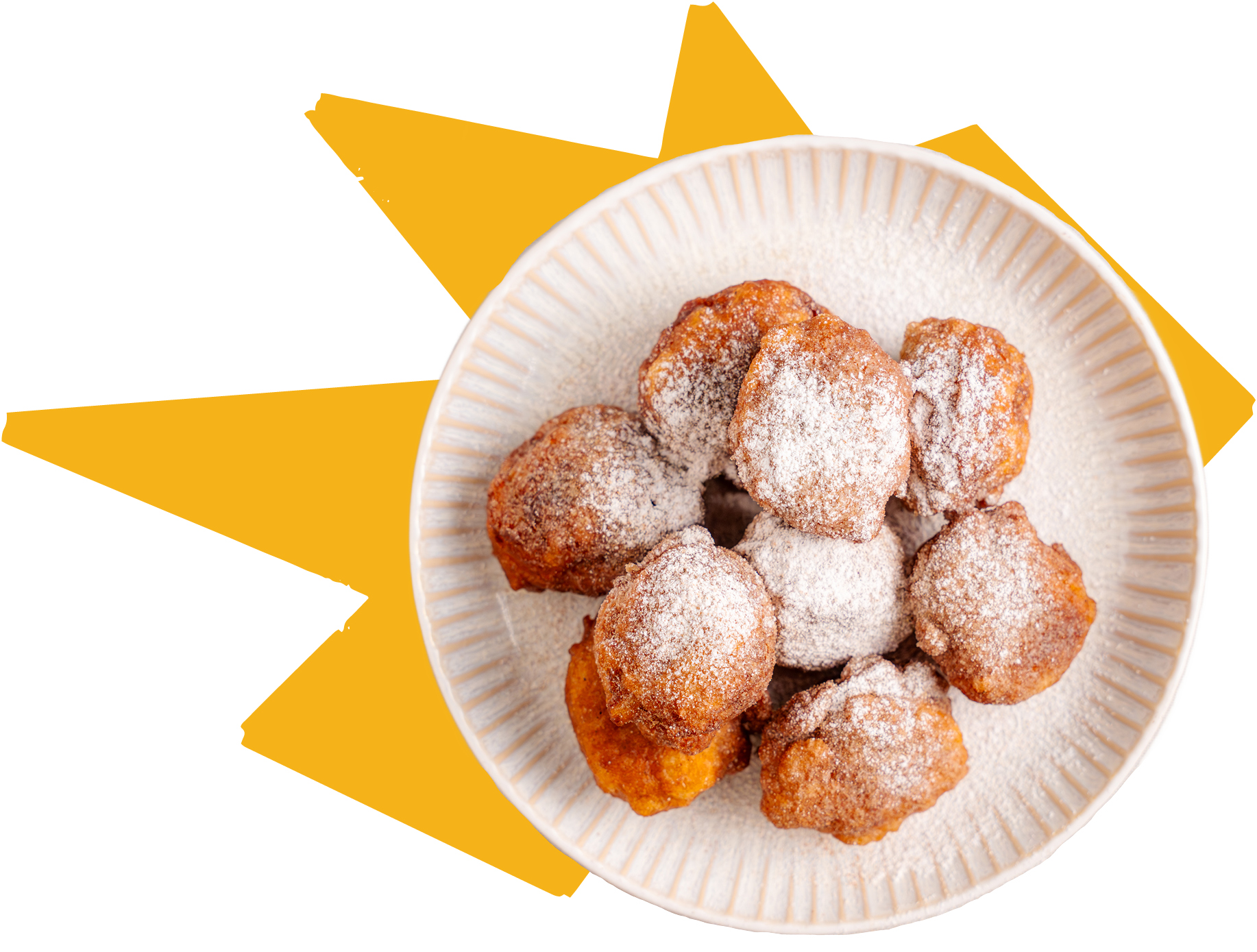
Makes 12-14 calas

